A gas spring that feels right during an indoor sample check may behave differently in the equipment's actual working temperature. For OEM buyers and distributors, the useful question is whether the assembly delivers the required opening, holding and closing behaviour across its specified conditions.
Include temperature in the enquiry and acceptance plan. A force rating alone does not describe how the complete application will feel in both cold and warm service.
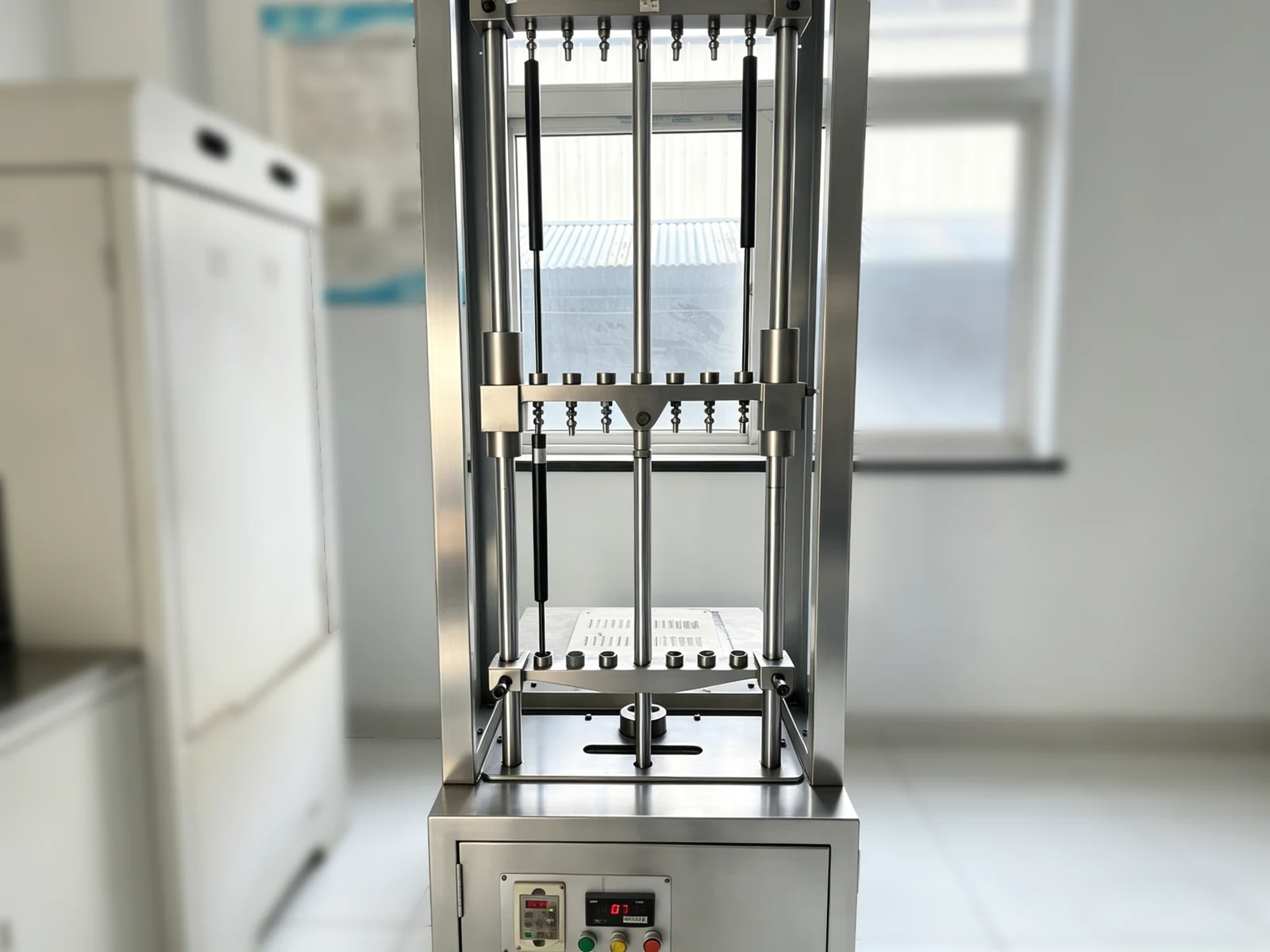
What changes when a gas spring gets warmer or colder?
Within its specified operating conditions, a conventional gas spring generally produces more extension force as its temperature rises and less as it cools. Temperature can also affect movement speed: changes in the viscosity of the internal oil influence damping. This means that supporting force and the feel of the movement should be evaluated together.
A rated temperature range does not mean constant performance
Ask the supplier to confirm the operating limits of the exact model, together with the reference conditions for its force specification. Do not assume that a product rated for a particular environment maintains identical force or damping throughout that range.
Applications outside a product's standard operating conditions may require a different seal set or configuration. Extension force depends on temperature; confirm the appropriate limits in the selected product's specification.
Put the actual working conditions in the enquiry
Give engineering and purchasing teams a shared description of the requirement:
Temperature at the component: minimum, typical and maximum conditions where the gas spring is installed, including nearby heat sources or cold exposure.
Operating pattern: cold starts, extended warm operation, time spent stationary and how frequently the assembly moves.
Required behaviour: acceptable opening and closing effort, movement speed and the required ability to remain open.
Exposure conditions: identify storage and transport separately from operation, and note whether the component is sheltered or exposed.
If these conditions are unknown, record them as items to confirm rather than treating the indoor sample temperature as the final requirement.
Validate the movement in the intended assembly
Cold conditions can reduce a panel's ability to remain open, while higher temperatures can make closing more demanding. Evaluate both as practical handling requirements for the equipment.
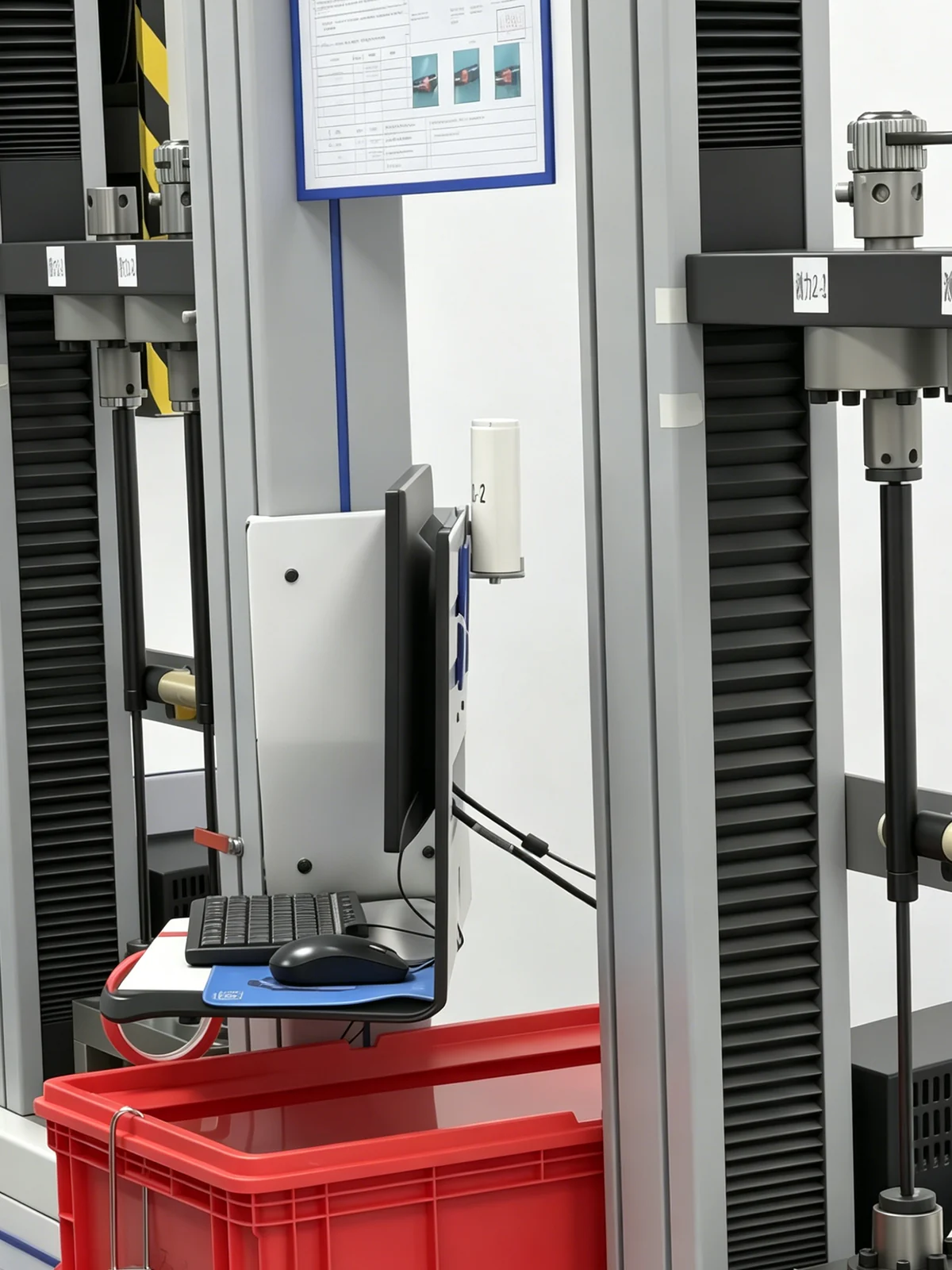
Agree a validation plan with the responsible engineer and supplier. Define the temperature conditions, conditioning time, measurement points and pass criteria. Check the intended assembly after it reaches the agreed condition, recording operating effort and movement as well as the gas spring specification. Avoid approving a change based only on how one sample feels immediately after entering a warmer room.
Keep the temperature requirement with the approved part
For repeat orders, retain the operating conditions, approved model revision and validation record together. This helps distributors communicate the original application requirements and gives purchasing teams a clear basis for reviewing substitutions.
Explore custom gas spring requirements or send Horizon your application drawing and working-temperature requirements for a specification discussion.