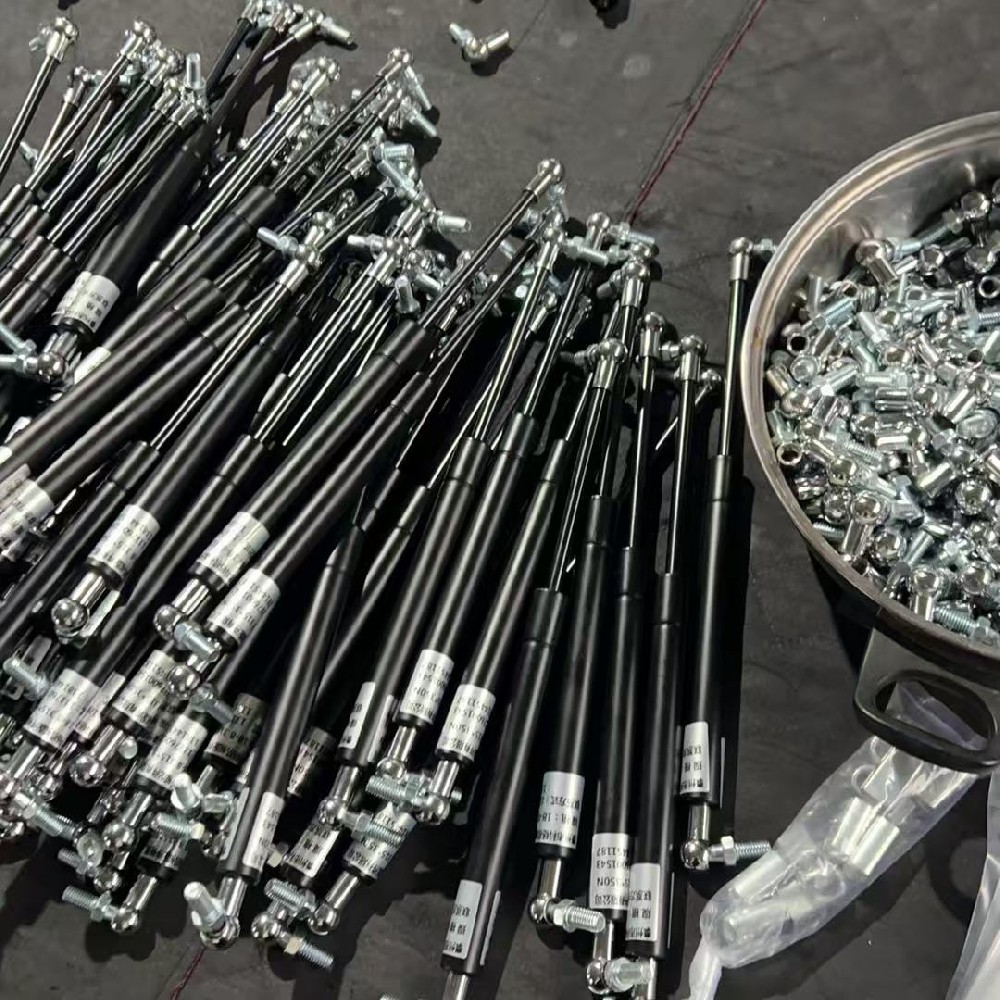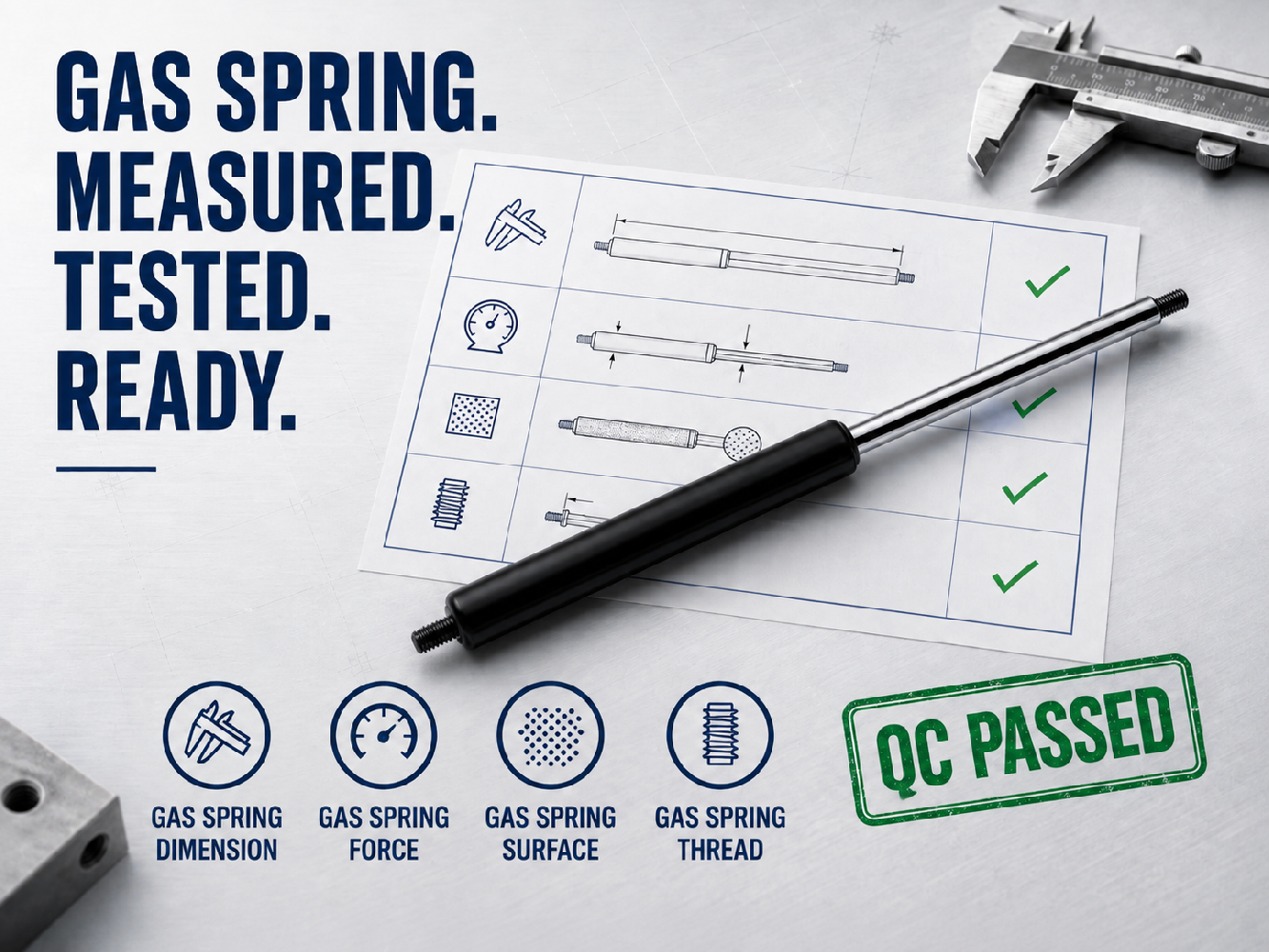
An OEM programme may use several gas springs that look similar in purchasing photographs. Consolidating them into one common part can seem attractive, but the proposed replacement must preserve the function required by every assembly it will serve.
Start the review with what the component does. A part number may represent pulling action, a particular locking behaviour or a release arrangement that a general product image cannot explain. Those requirements should remain visible throughout a supplier change or part-number consolidation.
Describe each application's required behaviour
Before asking whether several parts can be combined into one purchasing reference, ask engineering to describe the operating sequence for each application. What should happen when the user starts an adjustment, stops moving and releases the control? What should happen when an additional load is applied?
Record the answers alongside the existing part and assembly references. Useful functional requirements include:
The direction in which the spring should assist movement.
Whether the component must hold a selected intermediate position.
The permitted response to load while held in that position.
How the user releases the mechanism for further adjustment.
These requirements can coexist in one product. Treat them as functions to confirm, rather than assuming that one catalogue label describes the complete behaviour.
Preserve the required push or pull action
A conventional compression gas spring provides an outward force. A gas traction spring is designed to pull inward. Bansbach's traction-spring documentation describes pulling operation and a retracted starting position.
For a substitution review, show the required assistance direction on the application sketch and have the supplier confirm the proposed part's action. Similar appearance or a matching nominal force value cannot resolve a push-versus-pull difference. Keep this functional distinction explicit when requesting alternatives, especially where the purchasing description currently says only “gas spring”.
Specify what holding a position means
Assisting movement and providing selectable position locking are separate requirements. SUSPA's Lockline explanation describes a valve operated through a release pin: opening the valve permits assisted adjustment, while closing it provides locking. It distinguishes elastic and rigid locking behaviour.
For an adjustable assembly, define whether some spring-like movement under load is acceptable or whether rigid holding is required within specified load limits. Also identify the direction of the applied load. The phrase “lockable gas spring” alone leaves these decisions unresolved.
Stabilus's BLOC-O-LIFT variants illustrate further differences, including orientation requirements and distinct locking behaviour in compression and extension. Its range also includes different release systems. Ask the supplier to confirm the relevant behaviour and operating limits for the proposed configuration.
Include the user control in the review. The spring, release arrangement and assembly must work together so that the user can adjust and hold the product as intended.
Approve a common part for each intended assembly
Build a proposed substitution list that links each existing part to its application, required functions and proposed replacement. Highlight any functional difference for engineering review. This makes the scope of a “common part” decision clear to purchasing, assembly and service teams.
Agree the evaluation needed for each affected application. Demonstrate the intended adjustment sequence, including release and holding behaviour where relevant, against the approved requirements. Success in one assembly does not establish suitability in another with different functional demands.
After approval, update the relevant drawings, parts lists and service references together. Identify where the common part is authorised and retain separate references where differences remain necessary. Supplier consolidation can still be useful when several distinct configurations are required; using one supplier does not require making every component interchangeable.
Frequently asked questions
Can matching size and nominal force prove interchangeability?
No. They do not establish the action, locking behaviour or release function needed by the application.
Does “lockable” always mean rigid holding?
No. Elastic and rigid locking designs exist. Confirm the required response, load direction and operating limits for the selected product.
Can a product-range image identify all these functions?
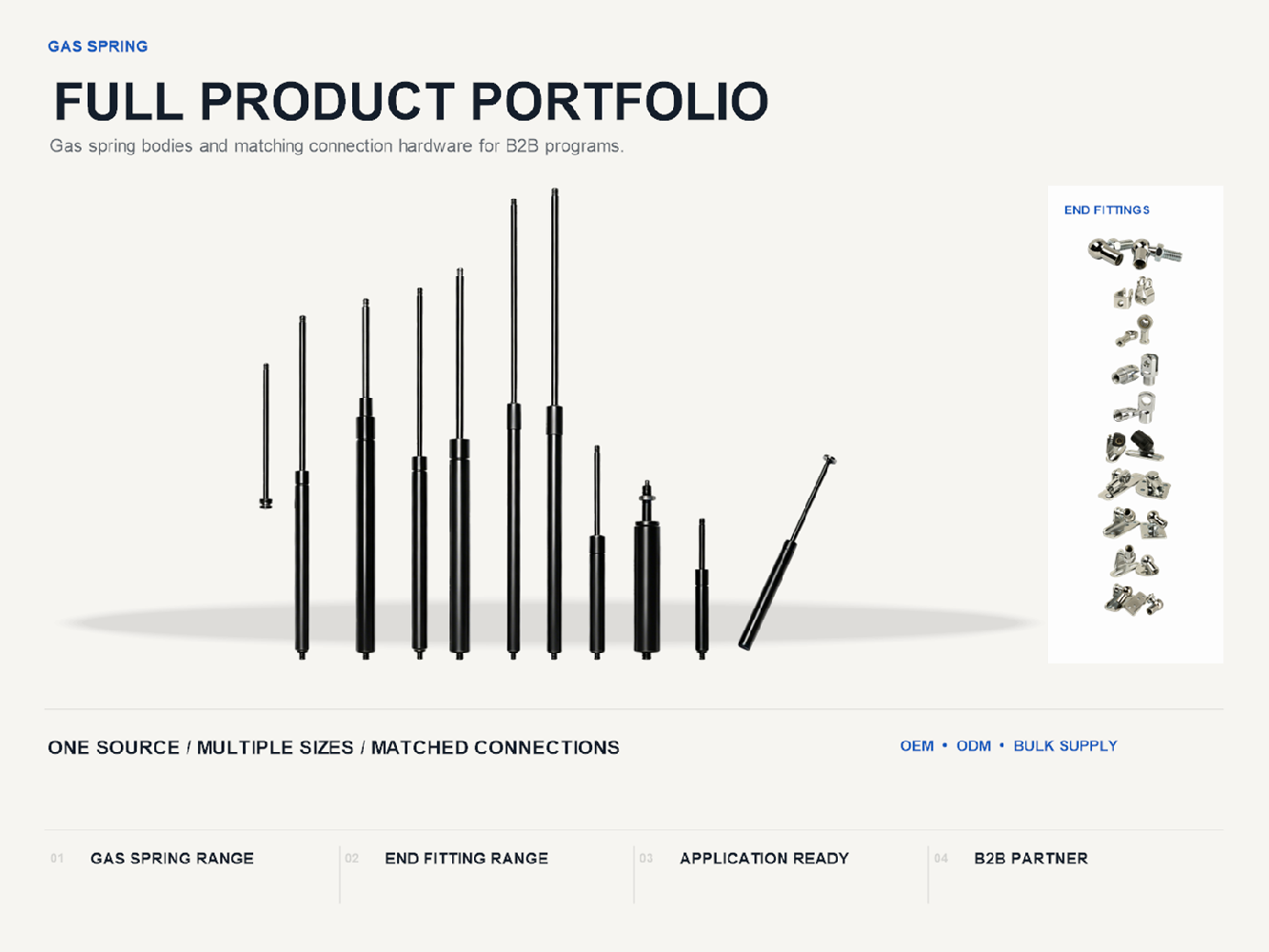
Use the part specification and supplier confirmation. An image can introduce a range, but it cannot establish functional equivalence between individual configurations.
Reviewing gas springs across an OEM product family? Contact Horizon with your existing part references, application sketches and required operating behaviour to discuss the scope of your enquiry.
#HorizonGasSpring