A useful gas spring quotation starts with a clear application brief and a shared definition of an acceptable product. For OEMs, distributors and bulk buyers, these four checks help turn an initial inquiry into comparable offers and a practical sample review.
1. Agree on the quality evidence you need
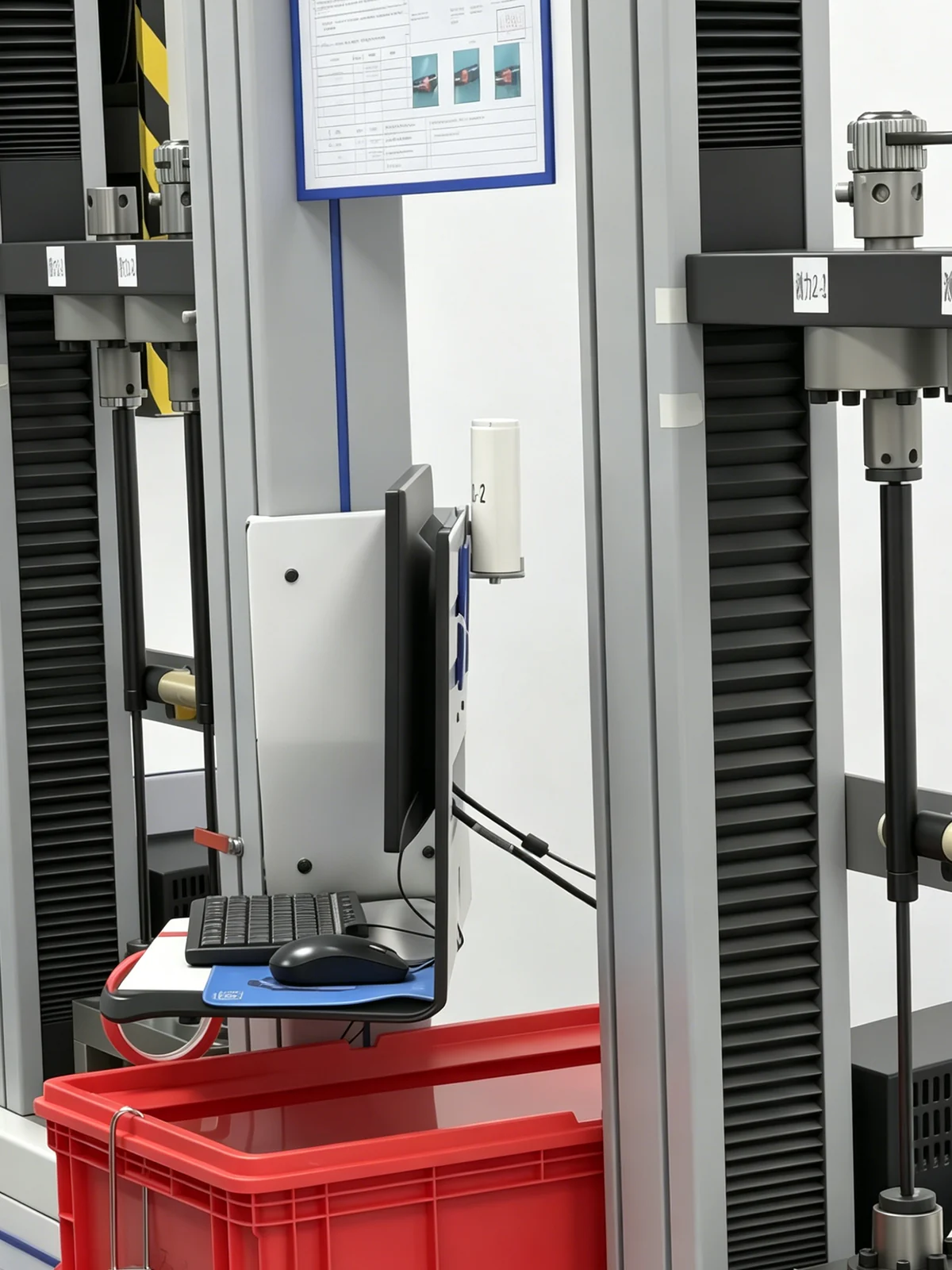
Define the documents and inspection records you expect before requesting prices. Depending on the project, these may include an approved drawing, material and finish information, dimensional inspection results and an agreed method for checking force.
Ask what each record covers: the submitted sample, a production batch or another scope. Put these requirements in the RFQ so quotations reflect the same expectations.
2. Put dimensions, force and fittings on one drawing
Provide panel weight, center of gravity, mounting points, opening angle and available installation space. These inputs affect the required force and geometry; selecting by a force label alone leaves essential information unresolved.
Record stroke, extended length, compressed length, tube diameter and rod diameter separately. Define the measurement reference points and whether lengths include end fittings.
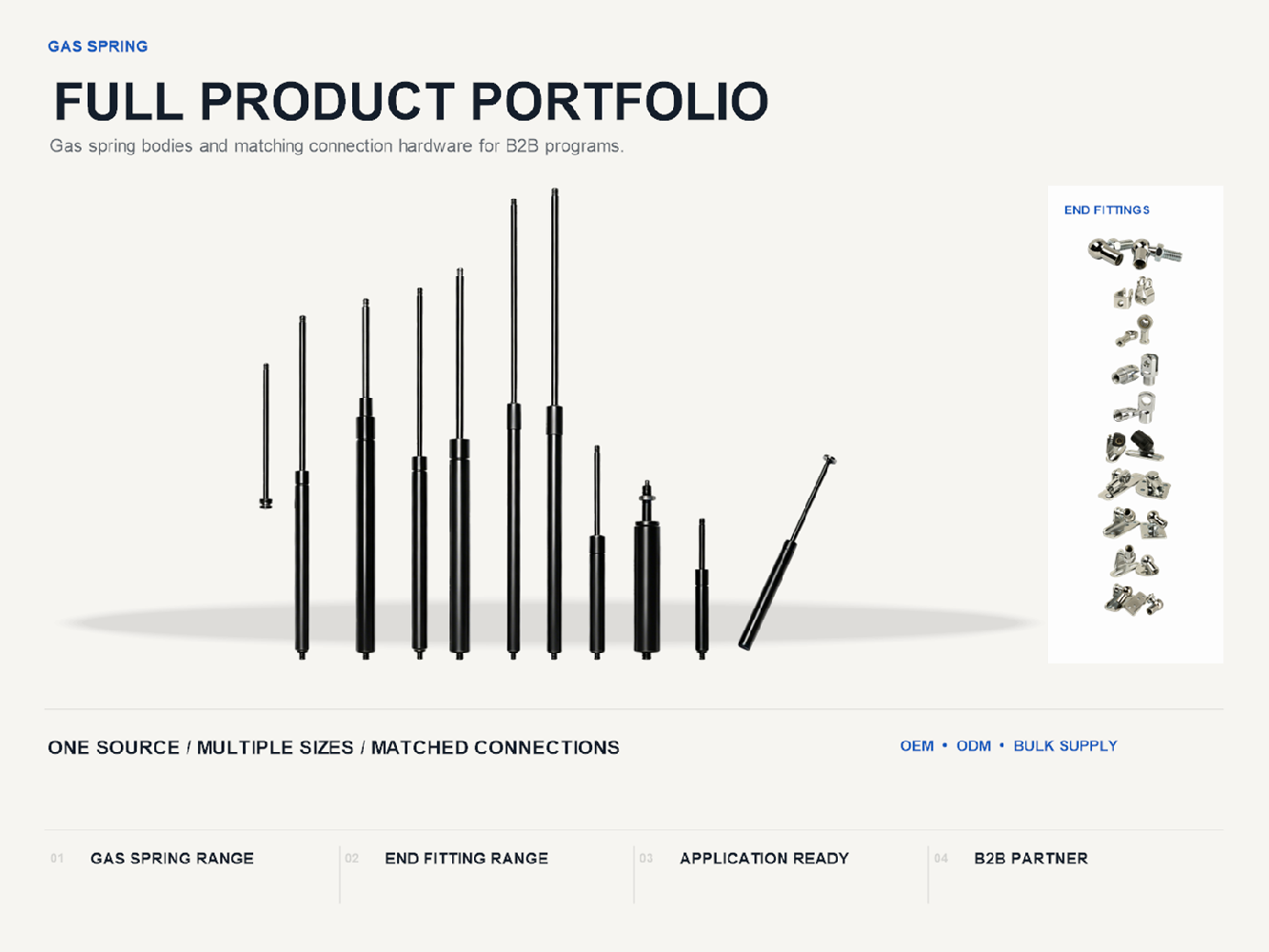
Confirm fitting type, thread details and alignment. End fittings affect assembled dimensions, and misalignment can cause binding. Attach the same drawing revision to every quotation request.
3. Set sample acceptance criteria before testing
Write down what the sample must demonstrate in the intended assembly. Check fit, clearance through the movement, opening and closing effort, and the required holding behavior. Record the load, mounting arrangement and operating conditions alongside the results.
Separate initial functional approval from durability qualification. Actual service life depends on application conditions, so test in the intended application under actual conditions. Agree on any durability test procedure and acceptance criteria before using its results to support a service-life claim.
4. Make every quotation ready for comparison
Use one comparison sheet for unit price, order quantity, included fittings, packaging, sample charges, delivery terms and the approved specification revision. Ask each seller to identify exceptions explicitly.
For repeat purchases, clarify how product identification, inspection records and proposed specification changes will be handled. Record which sample revision was accepted and which documents govern the production order. This gives purchasing and engineering teams a common reference when reviewing deliveries or planning the next order.
Preparing an RFQ? Contact Horizon with your application details, drawing and target quantity to start the discussion.