
 Automotive Gas Spring
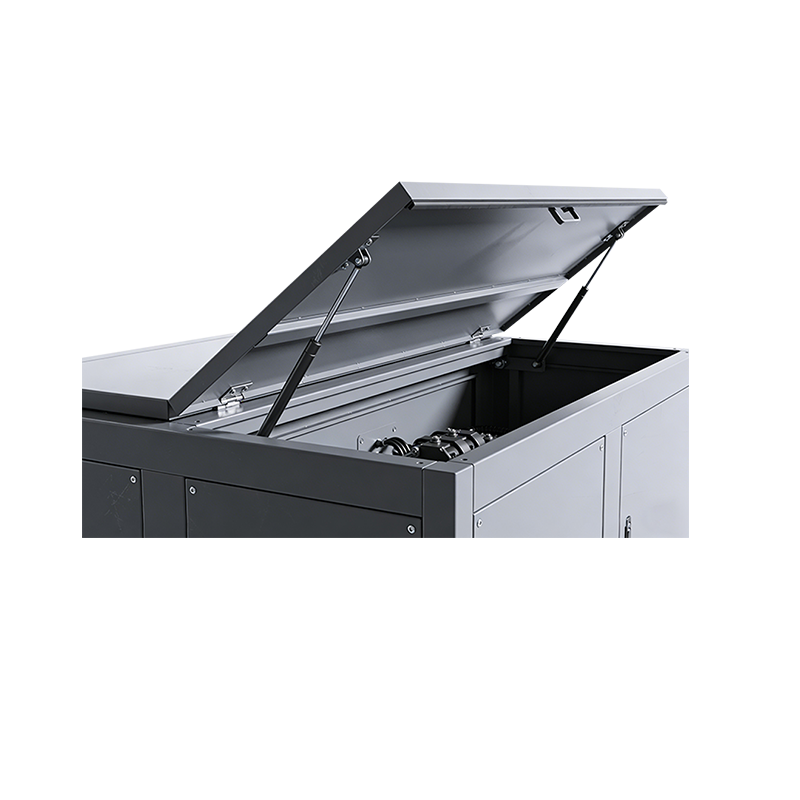 Industrial Gas Spring
 Medical Gas Spring
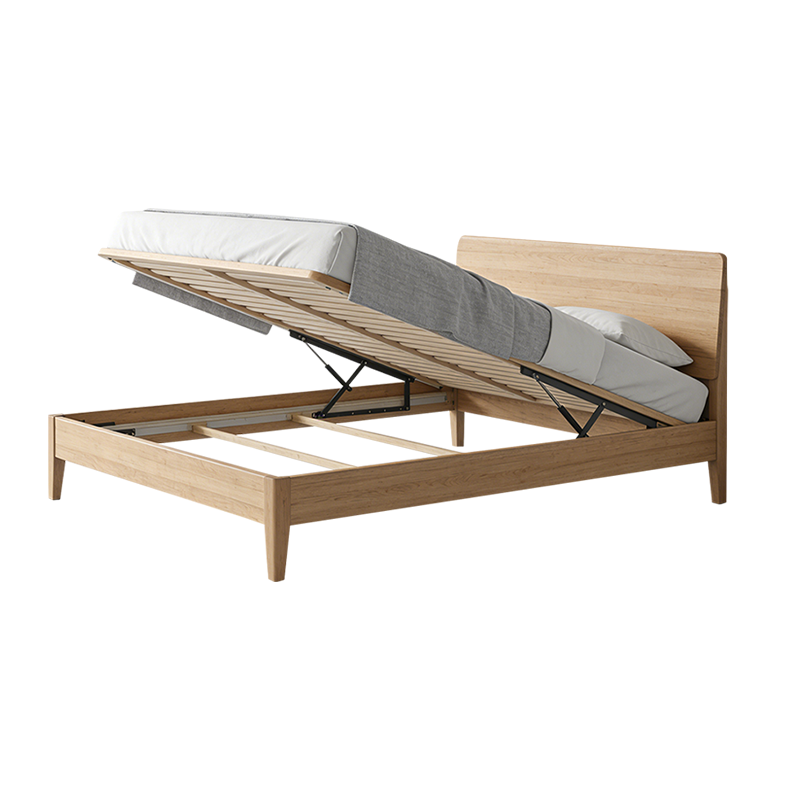 Furniture Gas Spring
Standard gas springs and lockable gas springs may look similar from the outside, but they are used for different functions. Understanding the difference is important for buyers who want the right motion control behavior in their product. A standard gas spring is mainly used to support lifting, opening, and holding tasks. A lockable gas spring, by contrast, is designed to allow controlled positioning and holding at selected points during movement.
A standard gas spring provides extension force and support through its internal gas pressure. It is suitable for applications such as hoods, tailgates, cabinet doors, machine covers, and storage beds, where the goal is to reduce lifting effort and support a moving component in an open or partially open state. In these applications, the gas spring mainly assists motion and creates a smoother operating feel.
A lockable gas spring adds a control function. It is used when the application needs to stop and hold the moving part at one or more positions. Typical examples include medical equipment adjustment, treatment tables, hospital beds, ergonomic seating, and other structures where the user may need to select a comfortable or practical angle. This type of product helps create adjustable positioning rather than simple lift support alone.

From a buyer’s perspective, the choice depends on product function. If the moving part only needs lifting assistance and stable support, a standard gas spring is often the right option. If the part needs to be adjusted, held, or repositioned during use, a lockable gas spring may be necessary. The decision should be based on the real user interaction and motion requirement rather than appearance.
It is also important to consider complexity and cost. A standard gas spring is usually the more direct and economical solution when positioning control is not required. A lockable gas spring offers more functionality but should be selected only when the application truly benefits from controlled adjustment. Otherwise, the product may be over-specified.
For suppliers, it is useful to present both product types clearly because many buyers know they need motion assistance but may not know which internal function is appropriate. This creates an opportunity to guide the customer through the selection process. The right explanation can shorten development time, avoid unsuitable samples, and help the customer move faster toward a workable design. In practical B2B communication, a clear comparison between standard and lockable gas springs is one of the most effective ways to show technical understanding while helping the buyer make a better decision.