
 Automotive Gas Spring
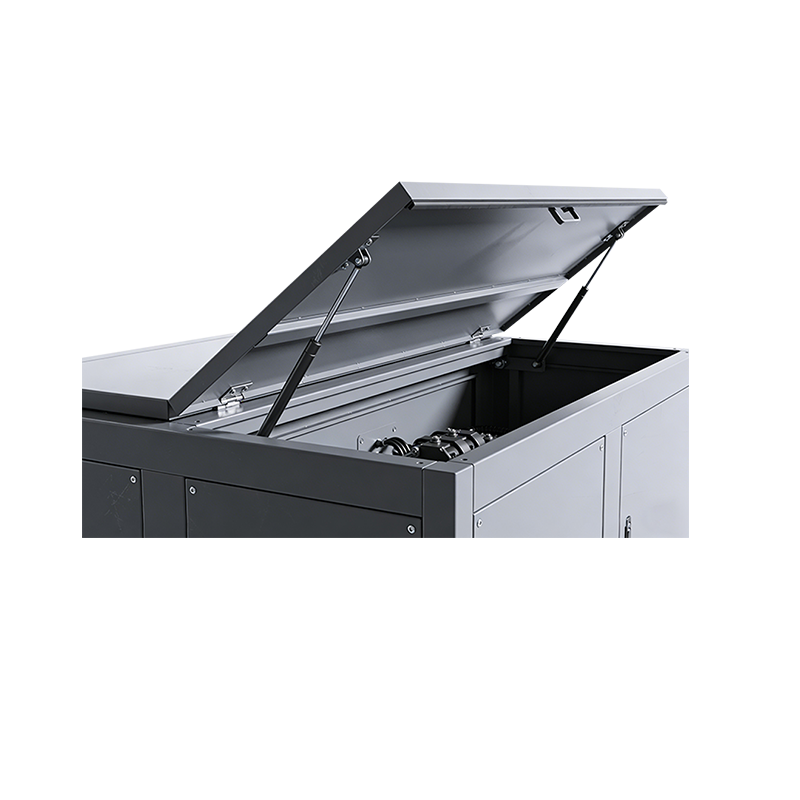 Industrial Gas Spring
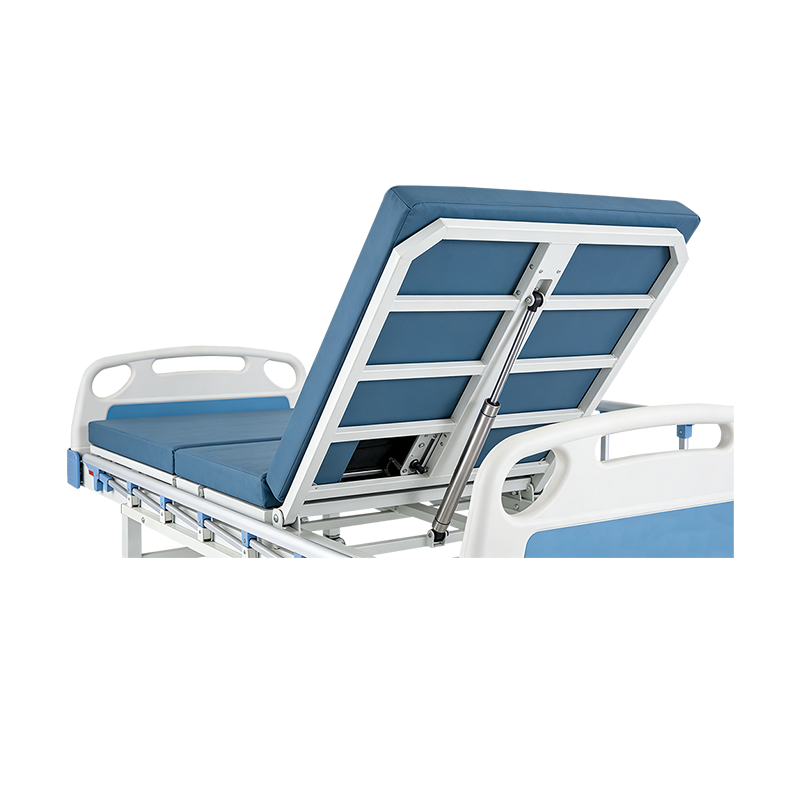 Medical Gas Spring
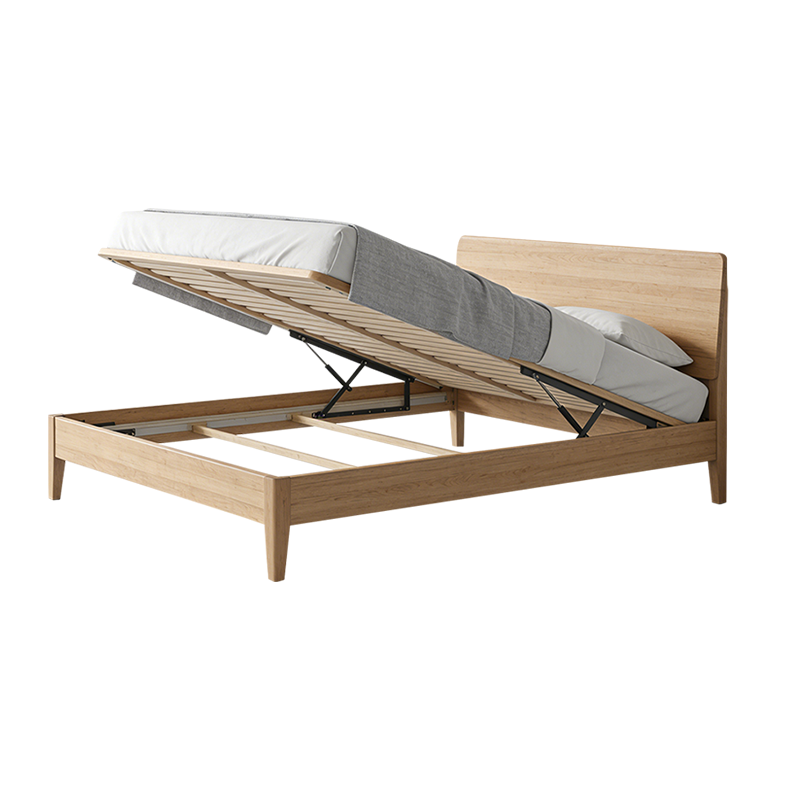 Furniture Gas Spring
Automotive gas springs are widely used in hood, trunk lid, and tailgate systems because these components need smooth lifting support, controlled movement, and stable holding performance. In daily use, the customer may never think about the gas spring directly, but the opening feel, lifting force, and ease of operation are strongly influenced by it. For vehicle manufacturers and component suppliers, the gas spring is a small part with a significant effect on user experience.
In hood applications, the gas spring helps lift and hold the engine cover after the latch is released. Without proper support, opening the hood can feel heavy, unstable, or inconvenient. A well-designed gas spring system improves service access and gives the vehicle a more refined operating feel. The same logic applies to trunk lids and tailgates. When the opening movement is supported correctly, the vehicle feels easier to use, safer in daily handling, and more consistent with modern customer expectations.
Tailgate applications are especially important in SUVs, hatchbacks, station wagons, and commercial vehicle rear access systems. These structures often have larger panels and different hinge geometries, which makes force matching more critical. If the gas spring force is too weak, the door may not stay open securely. If the force is too high, closing may feel difficult or unbalanced. This is why automotive gas spring design has to consider panel weight, center of gravity, mounting angle, hinge position, and available installation space.

Automotive buyers also care about durability, repeated-use stability, and appearance. Vehicle applications demand a gas spring that performs consistently through many opening and closing cycles. In addition, vehicle environments may involve heat, cold, vibration, dust, moisture, and varying usage intensity. This means the right gas spring should not only fit the geometry but also match the real service conditions of the vehicle platform.
For suppliers serving the automotive sector, standardization and customization often go together. Some programs require repeatable specifications for stable mass production, while others need customized dimensions, fittings, force values, or damping characteristics based on a new platform design. A responsive supplier can support both routine replacement-style demand and OEM development work.
From a marketing perspective, automotive gas spring applications are among the easiest for buyers to understand visually. A hood or tailgate image immediately shows the role of the product. For this reason, hood and tailgate content works well on product pages, application pages, brochures, and social media. It explains both function and value in a direct way. For an automotive buyer, the key message is simple: the right gas spring improves convenience, supports safe operation, and contributes to the overall quality feel of the finished vehicle.